
🧬 GHK-Cu Peptide: A Closer Look at Copper Peptide Research for Skin & Hair
Introduction: Why GHK-Cu Keeps Coming Up in Aesthetic Conversations
In today’s aesthetics world, more professionals are looking beyond surface-level products and asking a deeper question:
👉 What’s actually being studied at the biological level?
One compound that continues to come up in these discussions is
GHK-Cu.
Originally identified in human plasma, GHK-Cu has been studied for decades in connection with:
- Skin structure and appearance
- Hair follicle environments
- Collagen-related signaling pathways
- Tissue maintenance processes
🔬 What Is GHK-Cu?


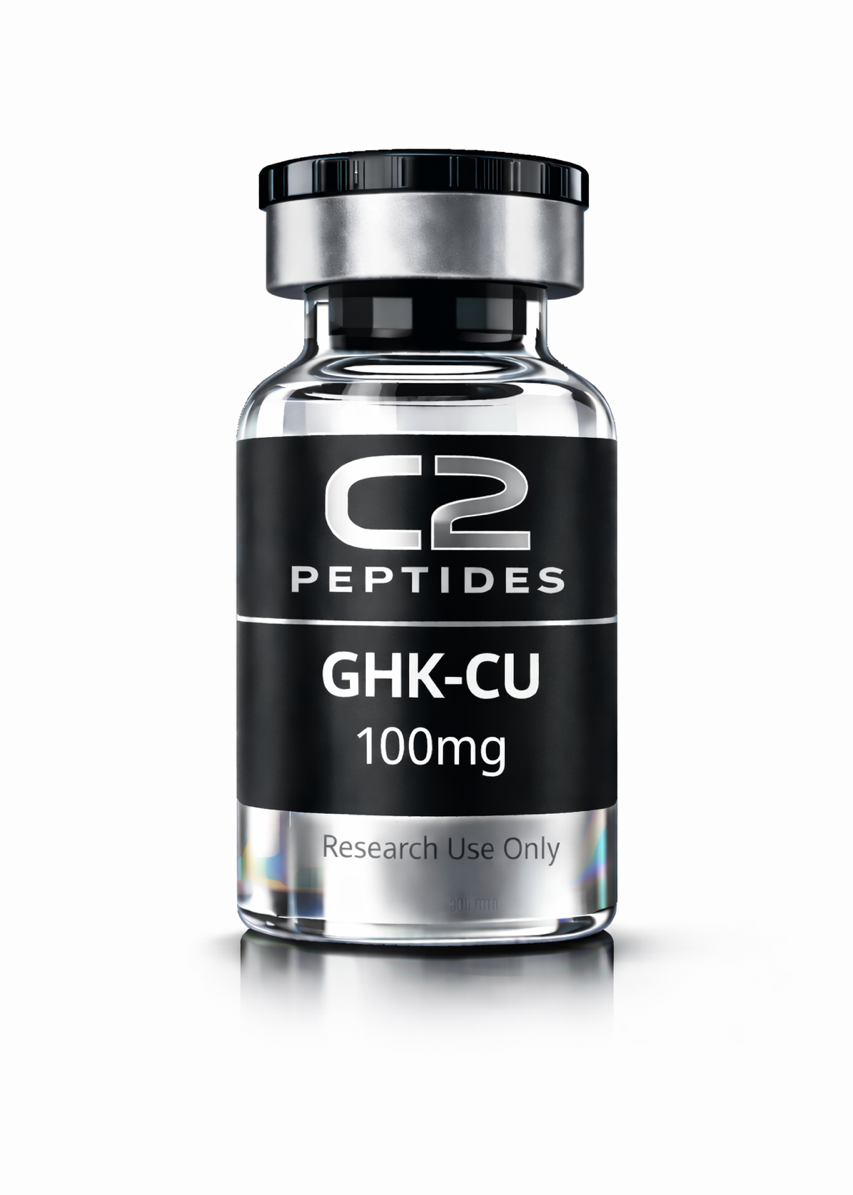
GHK-Cu is a copper-binding peptide made from three amino acids:
- Glycine
- Histidine
- Lysine
When combined with copper, it forms a compound that has been widely studied for its role as a biological signaling molecule.
💡 In simple terms:
GHK-Cu is researched for how it helps signal and regulate certain processes within biological systems.
🧪 What Researchers Are Studying
In controlled research environments, GHK-Cu has been explored in connection with several key areas:
🔁 Collagen-related pathways
Research has examined how GHK-Cu interacts with signaling associated with structural proteins like collagen.
🔬 Tissue maintenance processes
Studies have looked at how this peptide is involved in mechanisms related to skin structure and renewal.
💇♀️ Hair follicle environments
Some research focuses on how GHK-Cu interacts with the environment surrounding hair follicles.
⚖️ Inflammatory signaling
GHK-Cu has also been studied for its interaction with certain inflammatory pathways in laboratory settings.
⚠️ These are research-based observations, not established medical outcomes.
🔄 Why Delivery Method Is Part of the Conversation


While many people are familiar with topical copper peptides, researchers often explore different delivery formats to better understand how compounds behave.
From a research perspective, delivery format can influence:
- Stability of the compound
- Interaction with biological systems
- Absorption and distribution pathways
Because of this, GHK-Cu is sometimes discussed in the context of non-topical research formats when studied under controlled conditions.
🧠 What This Means for Aesthetic Professionals
Clients today are more informed than ever—and more curious.
You may hear questions like:
- “Is there anything beyond creams being studied?”
- “What are peptides actually doing beneath the surface?”
- “Why are these compounds getting so much attention?”
Understanding compounds like GHK-Cu at a research level allows you to:
- Stay ahead of industry trends
- Educate clients with confidence
- Provide informed, balanced insights
🧴 Why Surface-Level Products Aren’t the Full Picture


Topical products primarily interact with the outermost layers of the skin.
In contrast, research into peptides like GHK-Cu often focuses on:
- Internal signaling pathways
- Cellular communication processes
- System-level biological interactions
This distinction is one reason peptides continue to be an area of growing interest.
⚠️ Important Considerations
- GHK-Cu is commonly discussed in research and cosmetic contexts
- Outcomes can vary depending on formulation, environment, and study conditions
- Quality, sourcing, and third-party verification are critical factors in any research setting
📈 Why GHK-Cu Continues to Gain Attention
The increasing interest in GHK-Cu reflects a broader shift:
👉 From surface-level solutions → to research-driven understanding
For professionals in:
- Salons
- Skincare clinics
- Hair-focused services
…this means staying informed on what’s being studied and why it matters.
🔗 Final Thoughts
GHK-Cu represents a growing category of compounds that bridge the gap between aesthetic interest and scientific research.
As the industry continues to evolve, having a clear, informed perspective on topics like this can help professionals stand out and better serve their clients.
https://c2peptides.com/collections/cellular-health-research
🧬 Continue Learning
Explore more breakdowns on emerging compounds and research topics shaping the future of aesthetics and performance.
https://c2peptides.com/blogs/news
Disclaimer:
This content is for informational and research purposes only. Any products referenced are not intended for human consumption and are not approved to diagnose, treat, cure, or prevent any disease.